-
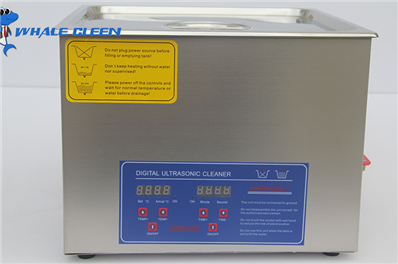 Ultrasonic Cleaning Machine: Pioneering High-Efficiency Applications in Energy Equipment Manufacturing
As the manufacturing processes for energy equipment become more sophisticated, the demand for advanced cleaning technologies has risen significantly. Among these, the ultrasonic cleaning machine stands out as a highly efficient tool, showcasing remarkable
-
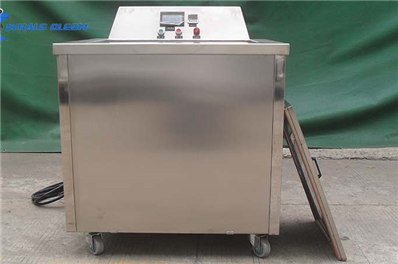 How to select the correct frequency for ultrasonic cleaning equipment
The cleaning effect of an industrial ultrasonic cleaning system depends on the high energy collapse of small cavitation bubbles formed by sound waves in cleaning fluid. When bubbles burst, they release a burst of energy that removes impurities and contami
-
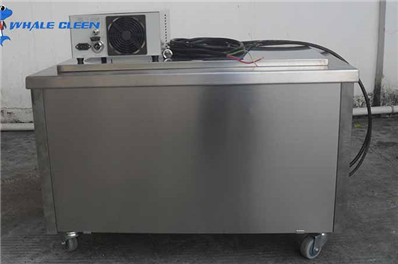 How to choose the right frequency for digital ultrasonic cleaners?
The cleaning effect of the industrial ultrasonic cleaning system depends on the high-energy collapse of the tiny air blow bubbles formed by the sound waves in the cleaning solution. When the bubbles are ruptured, they release the energy that burst in an i
-
 Current Market analysis of ultrasonic washer
Ultrasonic washers are widely used, including four categories: industry, commerce, office, and households. At present, the market prospects have evolved from the only one to more than 2,000 manufacturers, and the Guangdong blue whale ultrasonic washer has
-
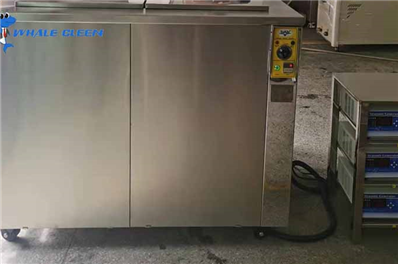 Blue whale unveils ultrasonic cleaning solution
Clean development has become a major trend in today's world. Practicing the concept of clean development, protection in development, and developing in protection is conducive to finding a win-win path between economic development and environmental pro
-
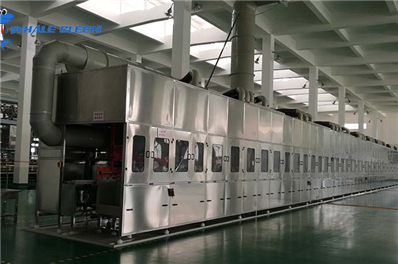 Ultrasonic Cleaning Machine Solves High-Volume Mold Release Oil and Oxidation Scale Cleaning
Manual wiping consumes labor hours, and when facing large batches of workpieces with mold release oil and oxidation scale, it quickly becomes overwhelming. In die-casting, forging, stamping, and machining operations, parts often leave production with a co
-
 Ultrasonic Cleaning Machine for Blind Holes: How Whale Cleen Meets Strict Acceptance Standards
In precision manufacturing, the most difficult contamination is often the contamination you cannot see. Fine blind holes, narrow slots, threaded ports, and tight crevices can trap polishing dust, lapping residue, metal fines, and oil film. A part may look
-
 Stuck with Grinding Dust Embedded in Batch Workpiece Crevices? Manual Cleaning Is Draining Your Labor Budget and Driving Production Costs Through the Roof
Walk into any metalworking shop, stamping plant, or machining facility, and you will see the same scene repeated shift after shift: workers hunched over parts bins, scrubbing with brushes, picking at crevices with picks, blowing compressed air into blind
-
 Same Ultrasonic Cleaning, Why Are Some Aerospace Fastener Yield Rates So Much Higher?
In aerospace manufacturing, few quality metrics are as unforgiving as fastener cleanliness. A single micro-fastener — a titanium alloy bolt, a high-strength steel screw, a threaded insert — can carry cutting fluids, lapping compounds, or microscopic metal
-
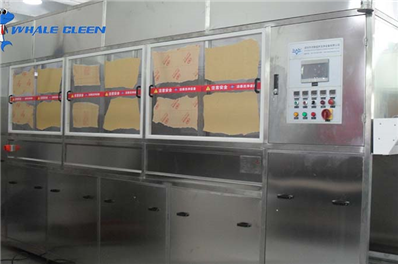 Ultrasonic Cleaning Machine: Solving the Batch Cleanliness Inconsistency Crisis in Aerospace Fastener Manufacturing
In aerospace manufacturing, a single contaminated fastener can compromise an entire assembly. Threaded surfaces trap machining oils, metal chips, and microscopic particulates that, if not completely removed, directly affect torque values, joint integrity,
-
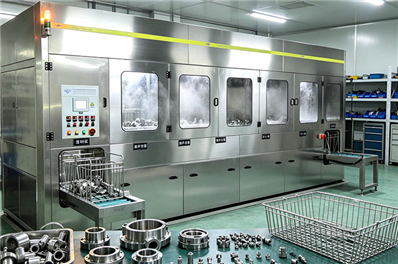 Industrial Ultrasonic Cleaning Machine: The Complete Solution for Manufacturing Precision Parts
In modern manufacturing, surface cleanliness is not merely an aesthetic consideration—it is a critical factor that directly impacts product performance, coating adhesion, and overall production yield. From automotive engine components and transmission par
-
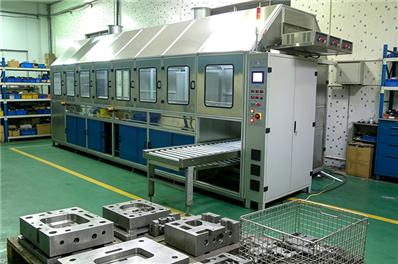 No Harsh Chemicals? How to Achieve Micron-Level Cleanliness for Nickel-Plated Substrates
You've dialed in the nickel plating bath chemistry. The temperature is right, the current density is optimized, and the dwell time is precisely controlled. Yet the plating still blisters. The cross-hatch test fails. The adhesion just isn't there.T